Project development for battery storage: From site concept to construction readiness
Every battery storage project begins with an idea. However, there are numerous technical, regulatory, and economic challenges between finding a suitable site and having an operational facility.
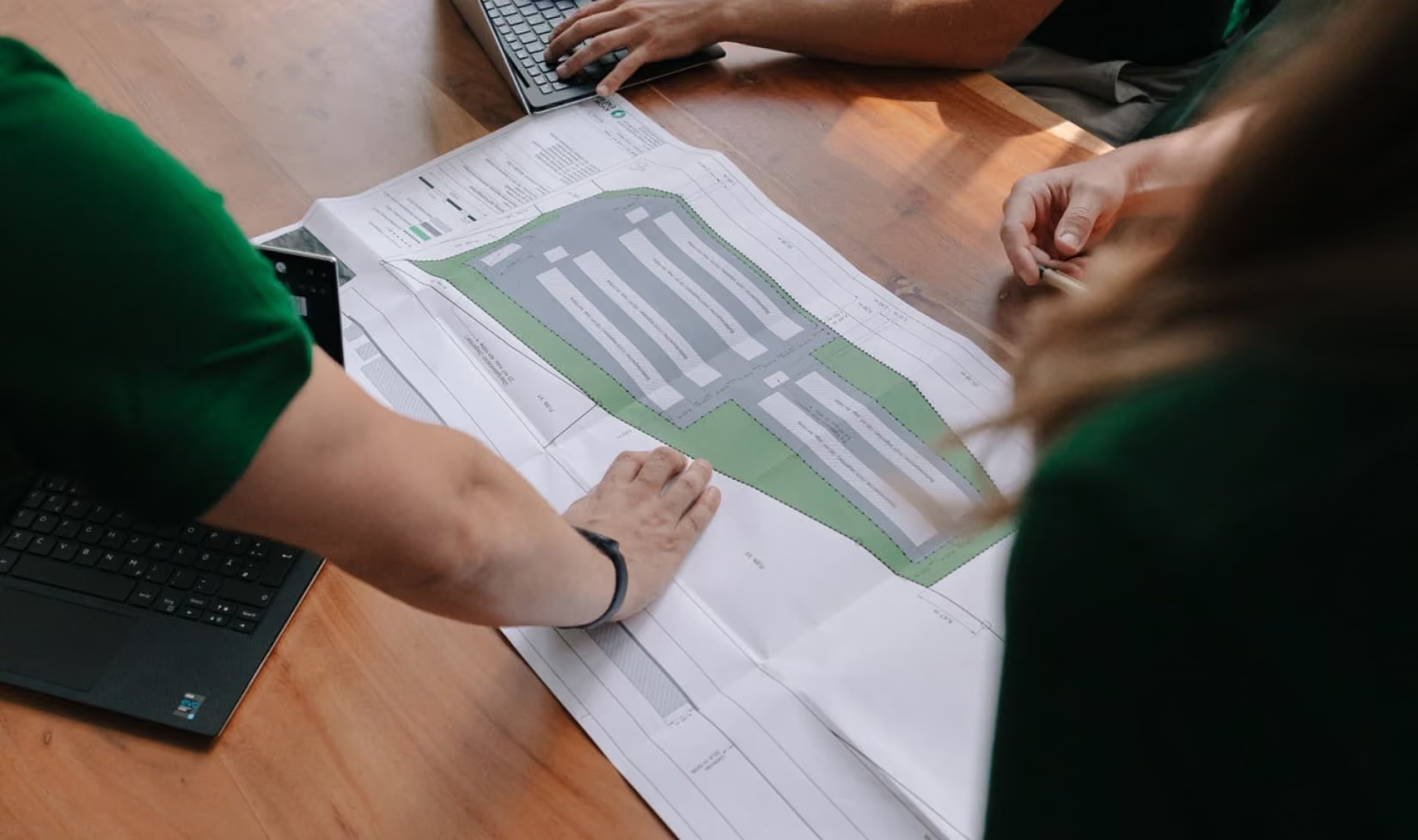
At Kyon Energy, we identify suitable sites, secure grid connections, establish building rights, manage permitting processes, and develop viable operating and marketing concepts. This results in projects that are not only permit-ready and economical, but also contribute to grid stability for decades to come.
We develop, build, and operate battery storage systems ourselves for the long term. That is why we think through every project consistently, from the initial site discussion to future operations.
Which sites are suitable for the development of battery storage projects?
The success of a battery storage system is determined long before the first shovel hits the ground. Not every site offers the conditions necessary for economical and long-term successful operation.
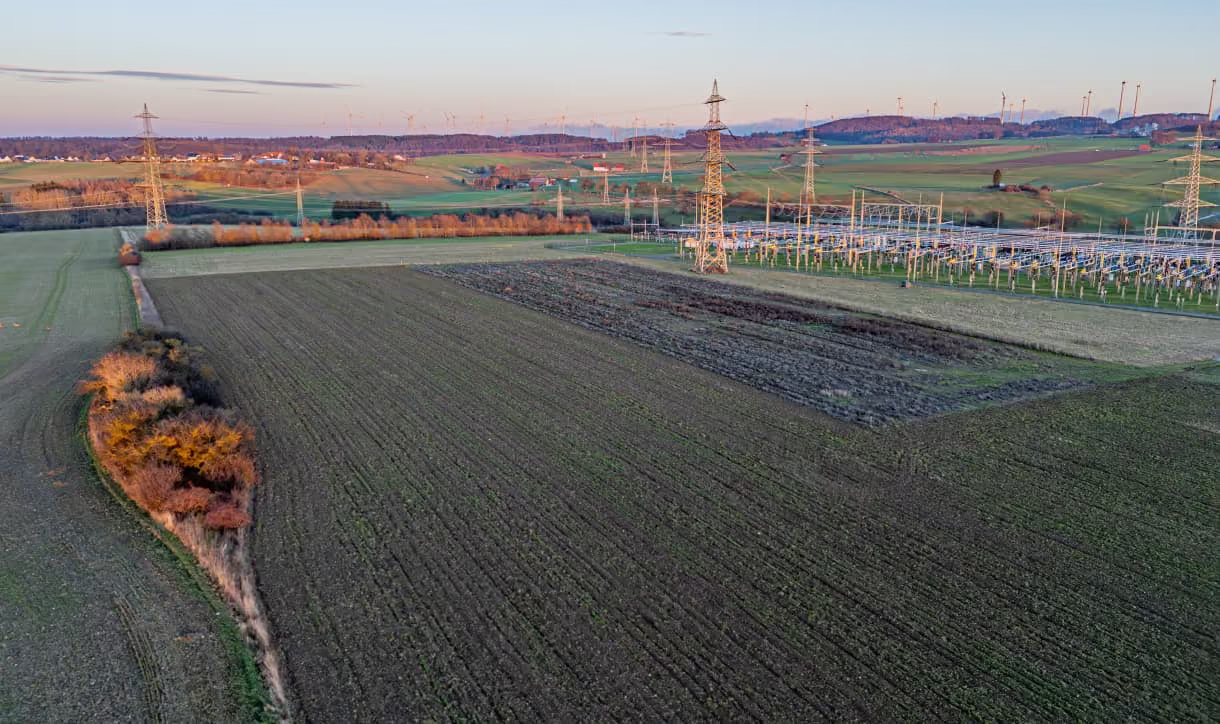
That is why we analyze potential sites across Germany for grid availability, planning law, environmental compatibility, and technical feasibility. Only when these factors align can a project with long-term potential be created.

Grid connection for battery storage: The bottleneck for many storage projects
Available grid connection capacity is currently one of the most critical success factors for battery storage projects. At the same time, regulatory requirements, technical connection conditions, and coordination processes with grid operators are becoming increasingly complex.
This is why our work begins long before the actual permitting process. We identify suitable grid connection points, evaluate available grid capacities, and analyze the technical and regulatory prerequisites for project development.
We develop battery storage projects across all voltage levels: from medium voltage to high voltage and extra-high voltage. Each grid level involves unique technical requirements, connection processes, and framework conditions. Our experience across the entire spectrum enables us to develop the ideal connection strategy for any site.
We engage with grid operators from the early stages of a project, assessing potential restrictions and managing the necessary connection procedures. This allows us to lay the foundation for economically viable battery storage projects and long-term grid connections.

Approval processes as a key success factor
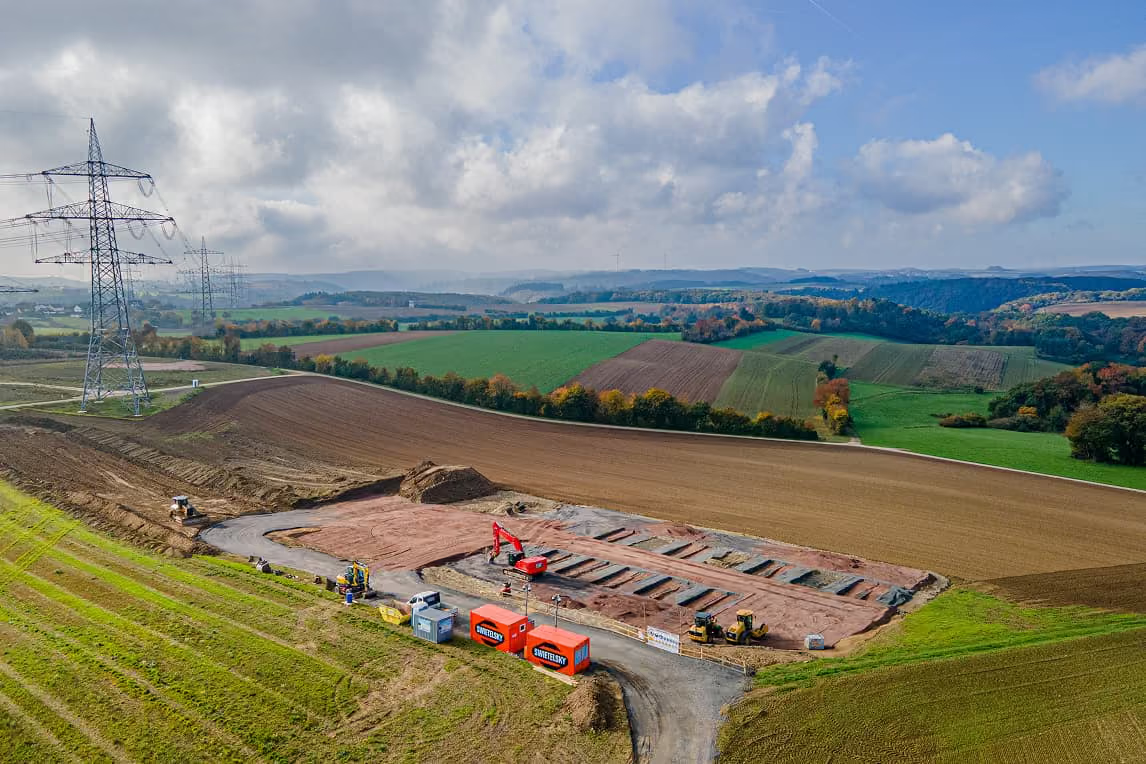
Numerous administrative procedures, expert reports, and consultations lie between the initial site concept and the construction readiness of a battery storage project. Planning law issues, technical certifications, and environmental and safety requirements must be considered early on and brought into alignment.
Our many years of practical experience in the development, construction, and operation of battery storage systems allow us to evaluate technical, regulatory, and infrastructural requirements holistically.
We do not limit ourselves to simply implementing existing requirements. Together with authorities, expert appraisers, fire departments, specialized planners, and industry partners, we contribute our expertise to the further development of standards, processes, and technical concepts. In this way, we help to continuously improve the framework conditions for battery storage in Germany.
Our standard is clear: battery storage systems must be safe, reliable, and sustainable in the long term. That is why quality, safety, and technical excellence are our top priorities in every phase of a project.
With every project we complete, our knowledge of successful planning and implementation of battery storage systems grows. This expertise flows directly into new projects, creating the foundation for battery storage systems that meet today's requirements while being prepared for the challenges of the energy transition.
The right revenue model for battery storage
The potential applications for battery storage systems, ranging from system operation to energy trading, are diverse. Many factors can play a role in the ideal design of these facilities, such as system configuration, site selection, or existing grid usage agreements. These are constantly changing in Germany and have a direct impact on the revenue model of a battery storage system. Therefore, we define the appropriate revenue concept and a potential marketing strategy as early as the project development phase: we analyze relevant electricity and flexibility markets, evaluate regulatory developments, and derive a viable investment concept from them.
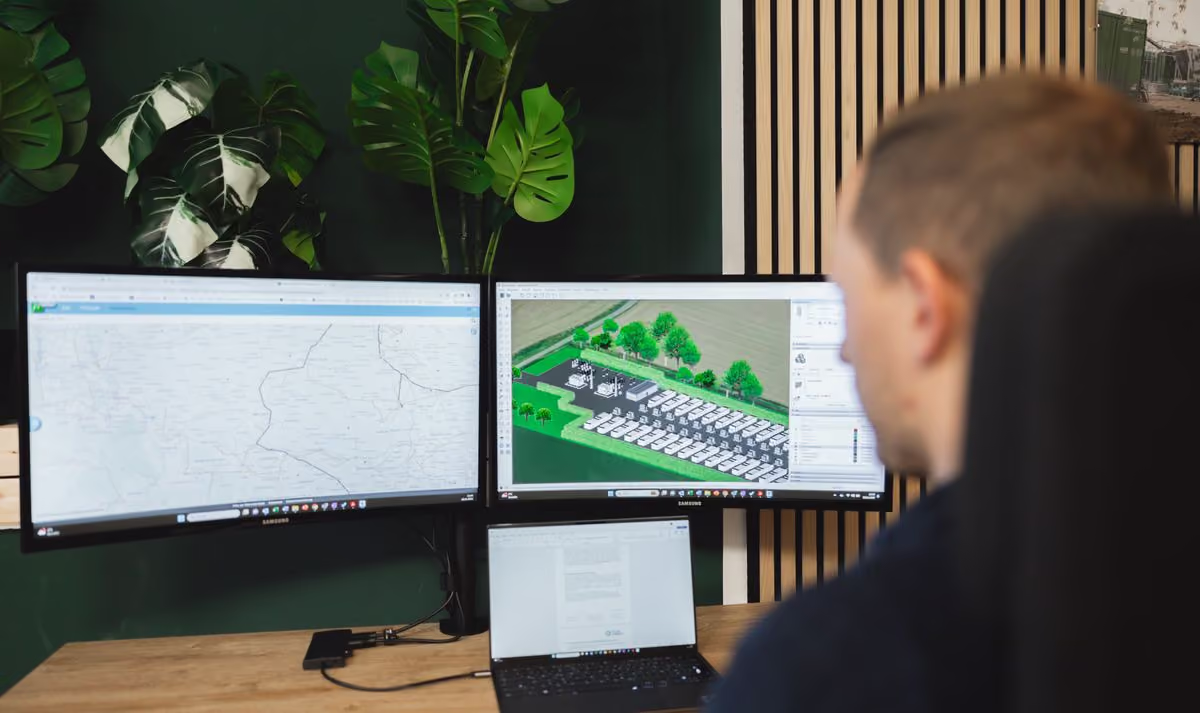
Since revenue opportunities can vary depending on market conditions, location, and storage size, we evaluate each project individually to determine which combination of balancing power, spot market trading, and other revenue sources provides the most economically viable operating strategy. At the core is always a multi-use strategy to enable resilient management of flexibility. This ensures that every storage system remains economically viable, even as market conditions change.
The right solution for every site
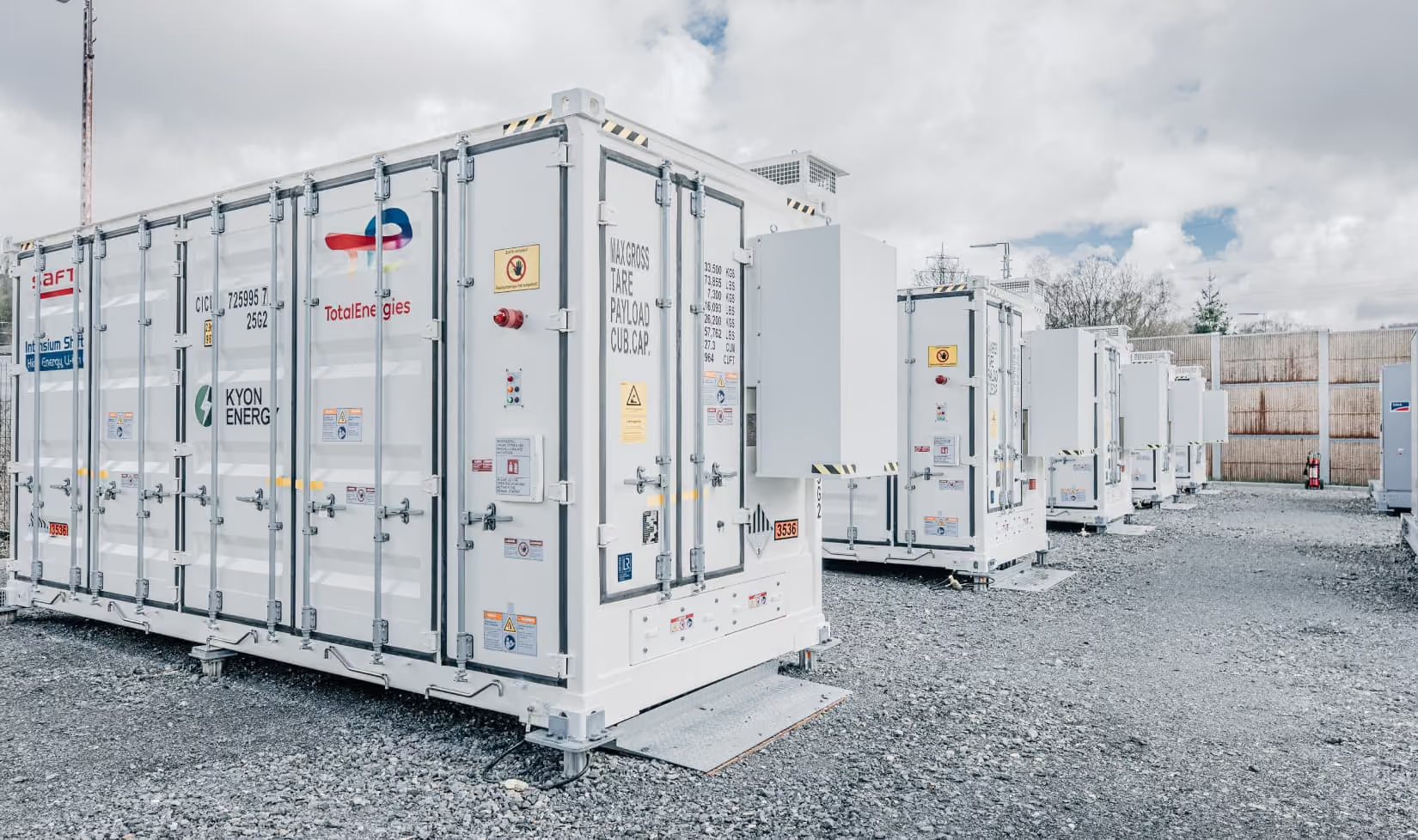
For our battery storage projects, we rely on proven lithium-ion technologies, such as lithium iron phosphate (LFP). Depending on the specific application, we precisely size the power and capacity and develop a system design that accounts for both current and future market requirements. This process incorporates technical factors such as grid connection capacity and site layout, as well as safety requirements regarding fire protection and facility design. The result is a battery storage system that not only fits the current market environment but also remains flexible enough to integrate future regulatory or technological developments.
Q&A on the project development of battery storage systems

Project development includes site analysis, land securing, grid connection, permit planning, technical design, and the economic evaluation of a battery storage system. The goal is to transform a site concept into a construction-ready infrastructure project.
Suitable sites have sufficient grid capacity nearby, meet planning law requirements, and allow for a technically and economically viable implementation. Since high grid capacities are often available near substations, suitable locations are frequently found in their vicinity. This enables a connection to the power grid at the medium, high, or extra-high voltage level and creates the conditions for a high-performance battery storage system that serves the grid. In addition, we take environmental and nature conservation concerns as well as technical requirements into account when selecting sites. The goal is to identify locations that contribute to a more flexible and increasingly renewable energy system while remaining economically viable in the long term. The duration depends heavily on the location, the size of the facility, and the permitting process. Project development alone, including land securing, grid connection, and permitting, often takes several years before actual construction begins.
Available grid connection points and grid connection capacities are limited in many regions. A newly connected storage system must be capable of being connected from both a technical and a grid-economic perspective so that a grid connection commitment can be issued by the responsible grid operator. Inquiries and coordination with grid operators require time and technical expertise. Those who consider the grid connection concept early in the project development phase secure a decisive advantage over other projects. Grid access issues often determine whether a project can be realized, as they have a major impact on the economic viability of storage operations. At the same time, the procedural and technical requirements differ depending on the voltage level and the grid operator. For a successful project, appropriate integration into the upstream grid must therefore be considered at an early stage.
Kyon Energy acts as a project developer itself, supporting battery storage projects throughout Germany from the initial site concept to construction readiness, before project implementation begins.
The duration of a battery storage project depends on various factors, including site conditions, planning law requirements, the permitting process, and the availability of suitable grid connection points. The responsible grid operator also has a significant influence. In addition to the technical assessment of the grid connection, the timing of when the necessary grid capacities are provided and the battery storage system can be connected to the power grid is particularly critical. Depending on the grid situation and the utilization of existing infrastructure, this can significantly affect the project timeline.
Environmental and safety aspects are an integral part of our project development and are incorporated into every phase of a project—from development and construction to operation. Nature conservation, technical, and infrastructure requirements are assessed and integrated into the planning at an early stage. Furthermore, Kyon Energy works continuously with authorities, specialist planners, and industry partners to further develop standards and processes for battery storage.
Our battery storage
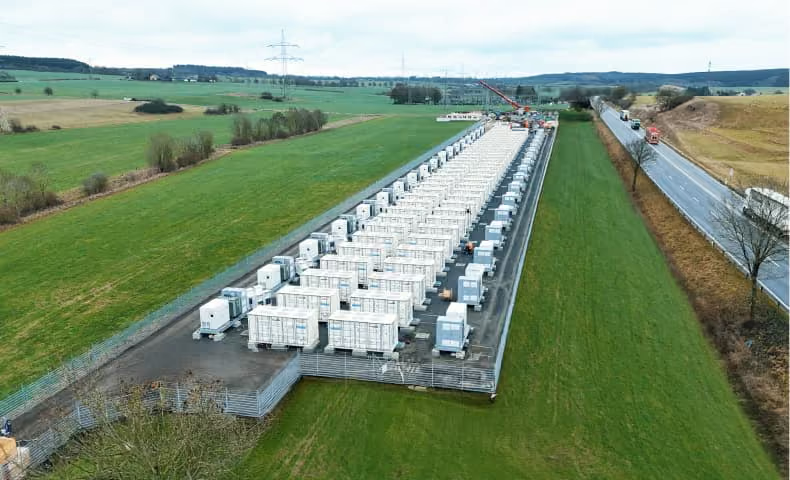
Take a look at our completed and planned battery storage projects across Germany.

For investors
Discover investment opportunities across the lifecycle of battery storage projects.